
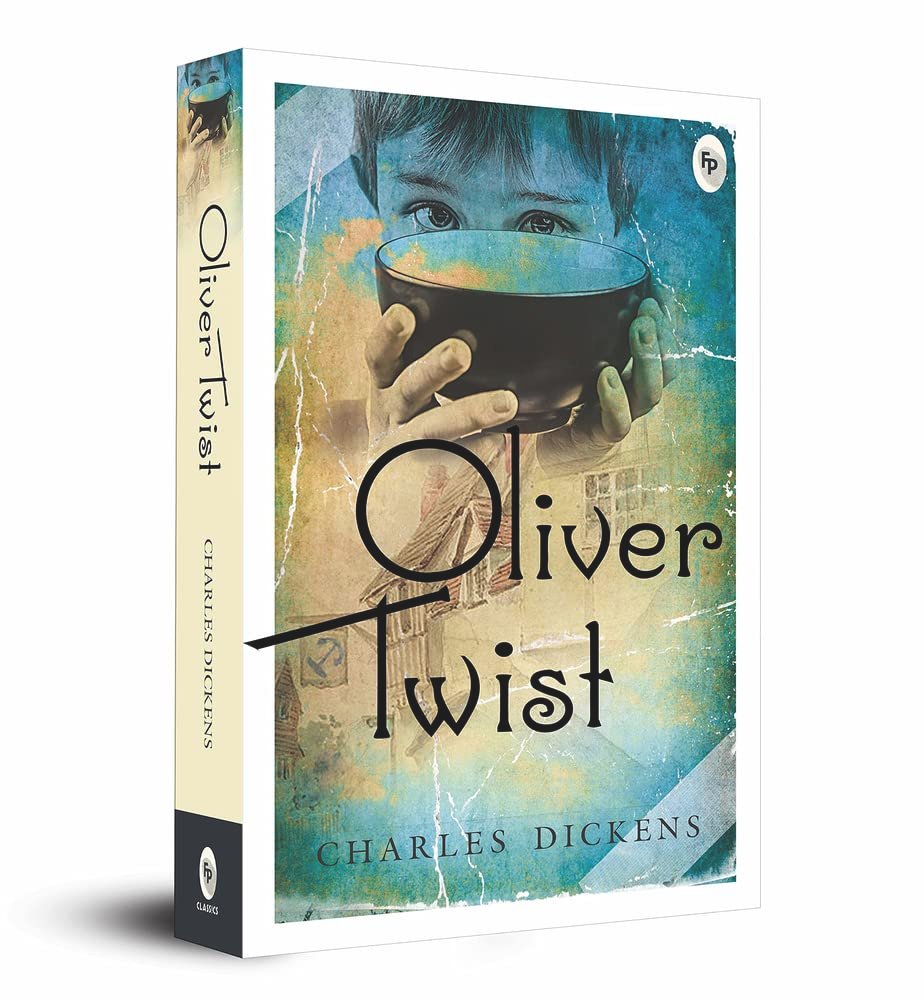
Discovering Humanity in Darkness: A Personal Reflection on Oliver Twist
When I first picked up Oliver Twist, I knew I was stepping into a world crafted by Charles Dickens—a master storyteller whose intricate narratives have captivated readers for generations. Yet, I couldn’t shake off the whispers of the book’s darker themes: a tale steeped in despair, but also, surprisingly, in hope. As I turned the pages, I found myself ensnared in not just Oliver’s struggles, but also in the poignant reflections of a society grappling with profound injustices during the tumultuous industrial era.
At its heart, Oliver Twist is a beautiful exploration of resilience against the backdrop of a society where misfortune and exploitation seem to be an inescapable fate. From Oliver’s harrowing beginnings in a dreary workhouse, to his desperate flight to London, Dickens paints a vivid picture of the lower class’s plight. The story does not shy away from the brutal realities Oliver faces, including the cruelty of his apprenticeship with Mr. Sowerberry and his unfortunate association with the notorious Fagin and his gang of young thieves. Shakespeare might have written, “All the world’s a stage,” but Dickens shows us that the stage is often riddled with shadows, where innocence battles ceaselessly against wickedness.
What struck me most was the depth of character. Oliver’s doe-eyed innocence juxtaposes sharply with the hardened natures of figures like Fagin and Bill Sikes. Each character is richly drawn, serving as a reflection of the moral decay that Dickens ardently critiques. Jack Dawkins, the “Artful Dodger,” became one of my favorite characters—his charm and cunning sparked moments of both laughter and sorrow throughout the narrative. In moments of levity, I found myself grinning, only to be quickly reminded of the underlying desperation of his situation.
Dickens’ writing style is an intoxicating mix of stark realism and vibrant description. He possesses a knack for immersing his narrative in sensory detail, which made me feel the chill of the London streets and the heaviness of Oliver’s loneliness. I found myself reflecting on quotes like, “It is a world of disappointment: often to the hopes we most cherish.” This resonated deeply, reminding me of my own encounters with the bittersweet nature of life. The pacing ebbs and flows, keeping readers on their toes; just when you think Oliver might find salvation, fate throws yet another obstacle in his path, leaving you eager to turn the next page.
Ultimately, Oliver Twist is more than just a story of an orphan boy. It’s a reflection on the strength of the human spirit, a critique of societal inequalities, and a reminder of our shared humanity. It’s a novel that resonates with timeless relevancy, making it a worthwhile read for anyone interested in the intersections of class, morality, and personal identity.
I wholeheartedly recommend Oliver Twist to anyone seeking a rich, thought-provoking narrative that not only entertains but also challenges perceptions. Whether you’re well-acquainted with Dickens or picking him up for the first time, this journey through the shadows of Victorian London will leave an indelible mark on your heart, as it did on mine. In a world that often feels heavy, there’s always a flicker of hope—an Oliver—waiting to inspire.