
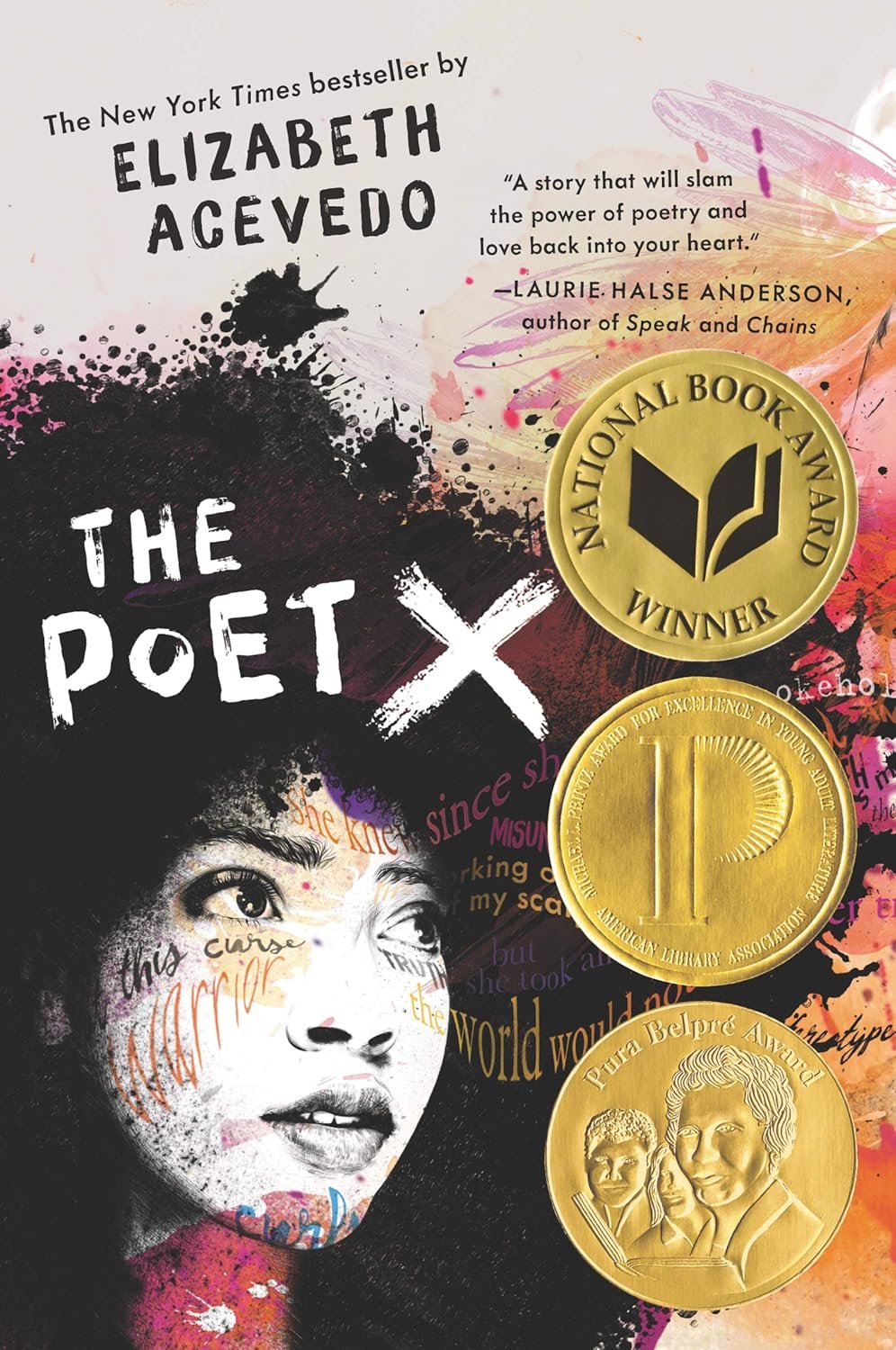
Finding Your Voice in "The Poet X" by Elizabeth Acevedo
From the moment I stumbled upon The Poet X, I felt an undeniable pull. The title hinted at the beauty of verse, but it was Elizabeth Acevedo’s name, synonymous with powerful storytelling, that truly drew me in. As someone who has always found poetry to be an emotional refuge, I was eager to explore the journey of Xiomara Batista, a young Dominican girl whose story spoke to the very core of my experiences as a teenager grappling with identity, self-acceptance, and the pressures of family expectations.
The Poet X unfolds in the vibrant tapestry of Harlem, where Xiomara navigates the complexities of adolescence while feeling stifled by her mother’s devout Catholicism. Acevedo weaves a narrative in verse that is both compelling and heartbreaking, giving voice to the unspoken struggles that many young people endure. Through Xiomara’s eloquent poetry, we witness her journey of self-discovery as she learns to assert her identity amidst overwhelming silence.
One of the themes that resonated deeply with me is the exploration of what it means to be "unhideable," as Xiomara puts it. The poem "Unhide-able" captures the tension between her burgeoning femininity and the expectations heaped upon her by family and society. In Xiomara’s eyes, her body becomes a canvas filled with judgments and whispers—something so many of us have felt. Acevedo’s sharp and evocative language is emblematic of a larger conversation about the way women are perceived and treated in our world, resonating well beyond the confines of Xiomara’s experience.




What I found particularly striking about Acevedo’s writing style is her rhythmic knack for melding poetry with narrative. There are moments when the pacing is exhilarating, each poem inviting readers to feel the raw urgency of Xiomara’s internal battles. The way Acevedo uses poetry as both a medium and a means of expression is a testament to the power of words themselves. I often found myself pausing to absorb the beauty and weight of specific lines—each felt like a prayer or a proclamation affirming the strength of letting one’s voice be heard.
One of my favorite quotes comes from the climax of the book, where Xiomara reflects, “The world is almost peaceful / when you stop trying / to understand it.” This line is not just a reflection of Xiomara’s struggle but a profound truth about the complexities of growing up. It resonated with me, particularly in moments when I, too, sought solace in the silence rather than engaging with the chaos around me.
This is more than just a young adult novel; it is a lifeline for anyone grappling with their voice. The Poet X is especially relevant for teens facing societal pressures, familial expectations, or personal doubts. It holds the power to inspire not just through Xiomara’s poetic resilience but also through the lessons of self-acceptance and defiance against stifling norms.
In conclusion, I wholeheartedly recommend The Poet X to readers young and old who seek a genuine portrayal of struggle, identity, and empowerment. Elizabeth Acevedo has crafted a masterpiece that not only entertains but also educates, challenges, and ultimately empowers its readers to find their own voices. This book left me with a renewed appreciation for poetry and the stories that shape us, echoing in my mind long after I turned the last page.