
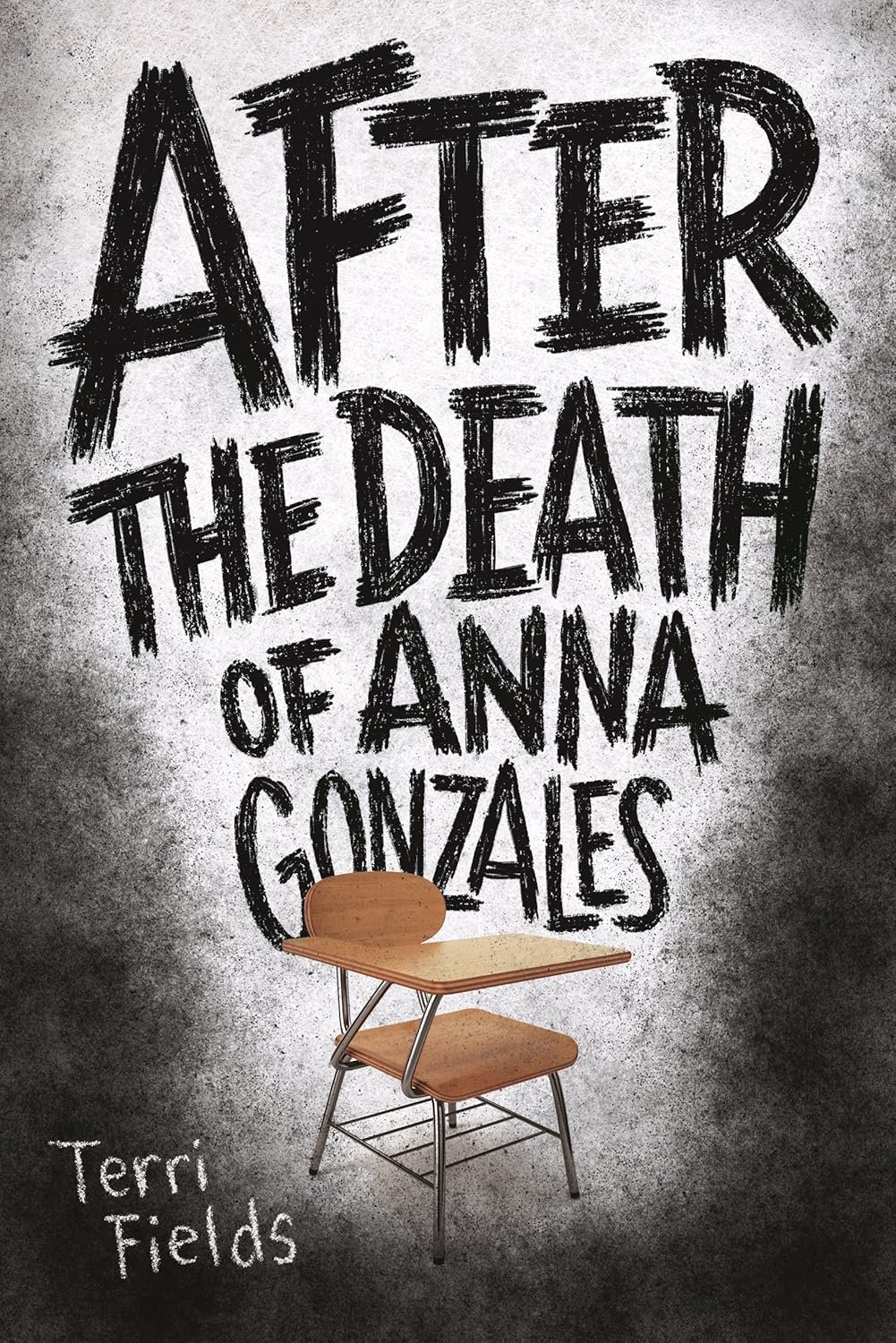
A Thought-Provoking Read: My Take on After the Death of Anna Gonzales
When I first stumbled upon After the Death of Anna Gonzales by Terri Fields, I was admittedly hesitant. The weight of the subject—teen suicide—is heavy, and I wasn’t sure what to expect. However, I knew that diving into a book that deals with such pressing issues could lead to deeper discussions, and I was curious to see how the author would tackle this sensitive topic.
Terri Fields uses an innovative approach by telling Anna’s story through the voices of her classmates and teachers—47 distinct perspectives that ripple outwards from the central tragedy. This structure elegantly captures the complexities of grief and the varying ways individuals respond to loss. Some characters are profoundly affected, grappling with guilt and confusion, while others move on with barely a second thought, showcasing the often fragmented nature of high school relationships and the social dynamics at play. I couldn’t help but reflect on my own experiences and how deeply personal tragedies can be colored by the reactions of those around us.
The writing style is strikingly direct and accessible, with each poem serving as a unique lens into a character’s thoughts. Fields’ choice to write in verse allows for raw emotion to shine through, creating moments of intense vulnerability and clarity. I found myself pausing to absorb the weight of certain lines, which felt both personal and universal. The pacing is brisk—this is a quick read, but don’t let that fool you; it is packed with emotion that lingers long after you close the cover.





Memorable moments abound throughout Fields’ work, but one that stood out to me was the juxtaposition of a cheerleader worrying about homecoming against the backdrop of Anna’s death—it’s a stark reminder of how life goes on, even when tragedy strikes. Another poignant line resonated with me deeply: “How could you check out before the good stuff ever started?” It encapsulated the sense of despair viewed through the eyes of those left behind. These snippets of wisdom and grief illustrate the myriad ways that Anna’s death impacts those who remain, reminding us that every action sends out rippling effects.
After the Death of Anna Gonzales is not just a book for teens grappling with similar issues; it’s a profound exploration of human emotion, community, and the consequences of isolation. Its authenticity makes it an excellent resource for educators and parents alike, encouraging open conversations about mental health and suicide.
In conclusion, if you’re looking for a poignant, thoughtful read that tackles significant issues with both honesty and hope, I highly recommend diving into this collection. Whether you’re a young adult or simply someone who enjoys poetry with depth, Fields’ work will undoubtedly leave an impression on you. Prepare to reflect, empathize, and perhaps even feel inspired to have those difficult conversations that we so often shy away from.