
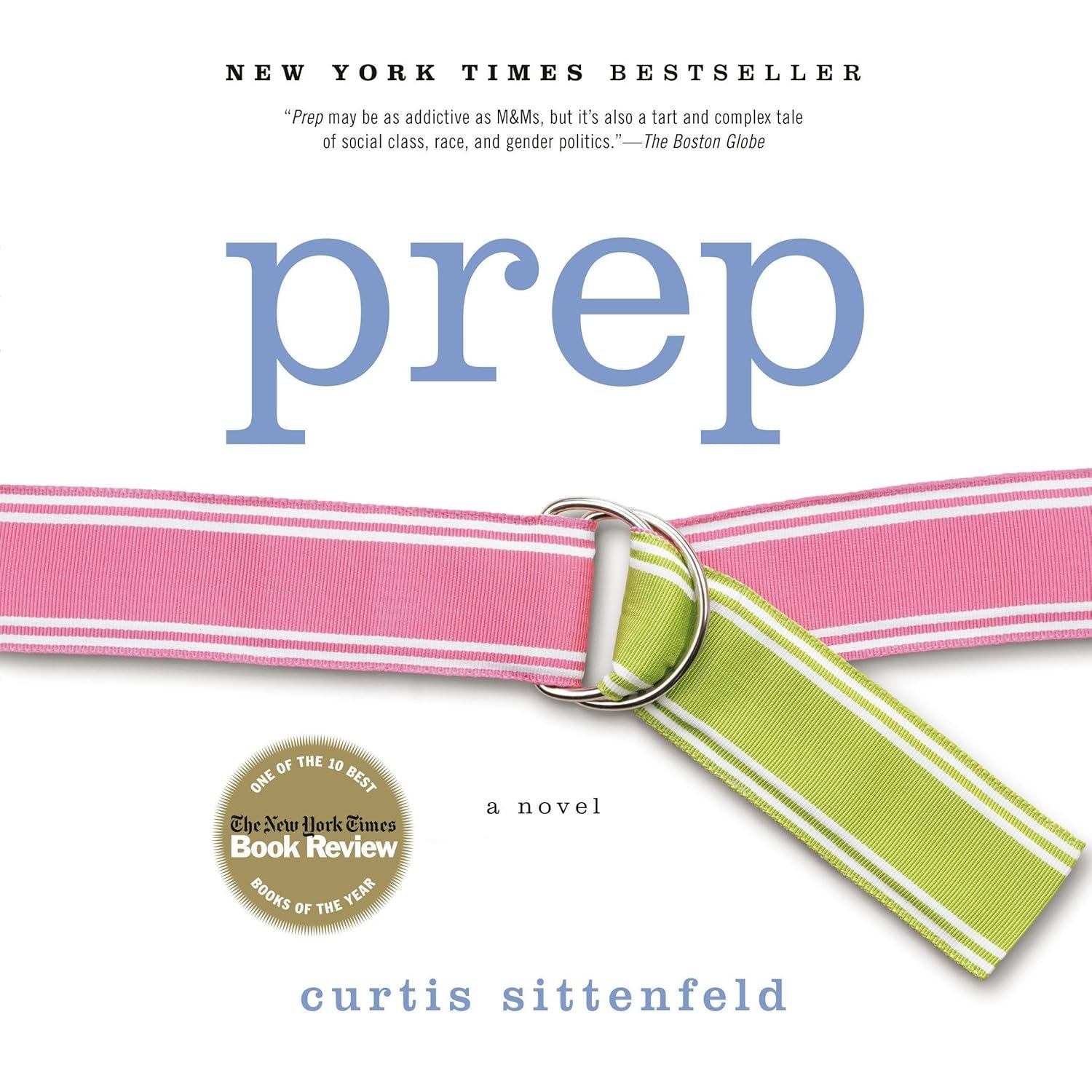
Review of Prep: A Novel by Curtis Sittenfeld
Sometimes, a book comes into your life that feels less like a story and more like a mirror reflecting experiences you thought were uniquely your own. Curtis Sittenfeld’s Prep: A Novel is one such gem. As I cracked open the pages, I was transported back to the tangled web of adolescent angst, and I found myself both captivated and cringing with familiarity.
The tale centers around Lee Fiora, an observant yet painfully self-conscious teenager who leaves her comfortable life in South Bend, Indiana, to navigate the tumultuous landscape of Ault School, a prestigious boarding institution. Sittenfeld paints a vivid picture of this cloistered environment, where social hierarchies are as rigid as the uniforms the students wear. Lee’s journey as a scholarship student is marked by a delicate dance between longing for acceptance and grappling with her outsider status.





Sittenfeld’s prose is sharp and incisive, making every awkward moment feel acutely authentic. Lee’s character is a wonderfully complex blend of intelligence and insecurity; she is both a keen observer and a reluctant participant in the social rituals of her peers. One reviewer wrote, “The novel doesn’t rely on dramatic plot twists but instead immerses readers in the slow, agonizing moments that define adolescence.” This statement encapsulates the essence of Prep. It’s not the dramatic high school showdowns that stay with you, but the quiet moments of realization—the brief encounters that become defining memories.
The themes of class, race, and gender politics course through the narrative, often making for uncomfortable yet necessary reflections. Readers can’t help but grapple with Lee’s often troubling perceptions of her classmates, revealing layers of privilege and prejudice that are all too real. It’s a bit of a tightrope walk—one that makes you think about your own high school experiences and the judgments we sometimes harbor as teenagers grappling with identity.
What truly resonated with me were the moments of isolation threaded through the story. Lee’s deep longing to belong felt palpable, reminding me of my own teenage years spent oscillating between acceptance and exclusion. There are passages in the book that struck a profound chord with me; for instance, Lee’s realization that her life at Ault is starkly disconnected from the “real world” left me reflecting on my own experiences of cocooned existences during formative years.
Sittenfeld’s storytelling is not quick-paced, and some might argue that this slow burn lacks urgency. However, I found that the pacing allows readers to dwell in the nuanced emotions that define adolescence. It lets you sit with Lee in her bewilderment and angst, evoking a sense of nostalgia, even when it’s tinted with pain.
I think Prep would resonate deeply with anyone who has ever felt like an outsider—whether in middle school, at university, or in the broader social landscape. It’s an incisive exploration of teenage life that’s raw, awkward, and occasionally brutal, yet undeniably relatable. Those looking for a neatly tied-up resolution might be disappointed, but those who appreciate the quiet complexity of human experiences will find a treasure here.
In closing, Prep: A Novel is more than just a coming-of-age story; it’s a candid glimpse into the web of human connection, fraught with self-doubt and yearning for acceptance. It reminded me that while the corridors of elite institutions might appear polished from the outside, the lives lived within them are often muddy with confusion, insecurity, and yearning. If you’re yearning for an honest reflection on adolescence, you’ll definitely want to give this book a read. Grab it with a steaming cup of tea and prepare to be reminded of your not-so-glamorous teenage years.