
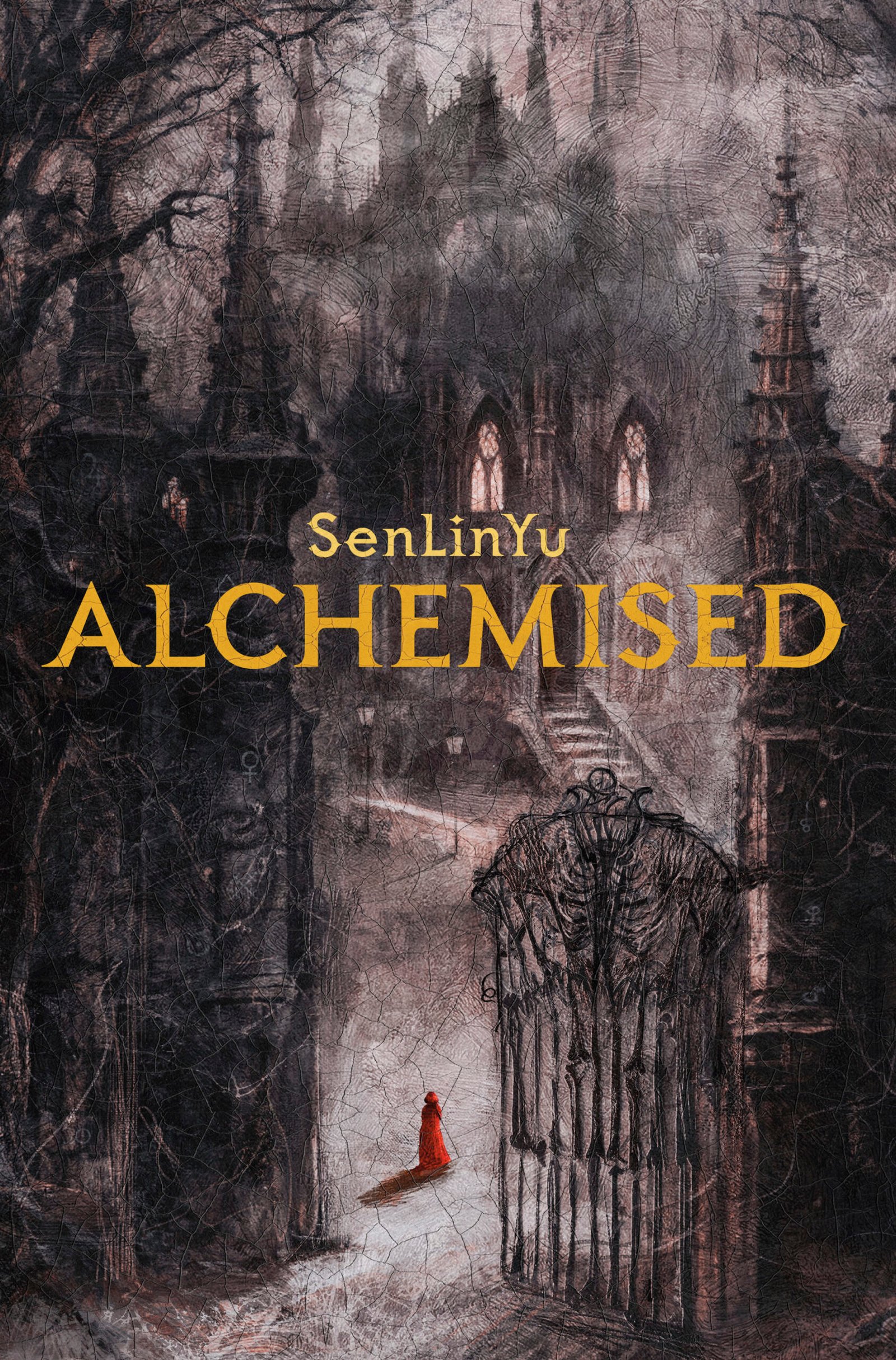
Book Review: Alchemised by [Author’s Name]
When I first stumbled across Alchemised, I was lured in by the stunning cover—a siren call for any lover of fantasy. Little did I know that the journey through its 1,000 pages would be one of the most tumultuous reading experiences of my life. This review has been a labor of love and frustration, one that I’ve rewritten more times than I can count. But here we are. Let’s dive in.
Alchemised is a story steeped in controversy, rooted in its origins as a popular Dramione fanfiction. This context colors its narrative choices and reveals how it attempts to explore dark themes, particularly the complexities of love marred with trauma. At the heart of the story are Helena and Ferron, two characters bound by a relationship that is as mesmerizing as it is disturbing. While the book opens the door to a rich fantasy world, it quickly devolves into repeated scenes and questionable character arcs that left me drained more than enchanted.

One of my core frustrations was the pacing and overarching narrative structure. I found myself trapped in a repetitive cycle—how many times can one character walk through a courtyard, have seizures, or be saved by the other? It felt like a bad song playing on a loop, and by the time I reached part two, I was desperately searching for any meaningful progression. With 43 chapters making up nearly half of the book, it felt as though the writer simply didn’t know when to let go of scenes that could have been cut or condensed.
And then there’s the writing itself—where can I begin? The prose often slipped into excessive exposition and a passive voice, hindering any real emotional connection to the characters. I should feel their pain, their desires, and the weight of their decisions, but instead I found myself more of an observer than a participant in their story. A great story should invite the reader to feel alongside its characters, and Alchemised missed that mark by a wide margin.
On the topic of emotional resonance, I was particularly repulsed by the handling of traumatic themes. The narrative skates dangerously close to romanticizing abusive dynamics and deeply flawed relationships. While it may be trying to explore the complexities of love born from trauma, it often fails to convey the gravity of those situations, instead creating a disheartening narrative that glosses over the realities of abuse and coercion. My heart broke for several characters, but mostly, I found myself frustrated by the choices they made and how they were framed.
While I understand that art is subjective, the overwhelming praise for this book left me perplexed. It has a staggering 4.55 rating on Goodreads, which, as I read through so many positive reviews, felt like a detachment from reality. To each their own, but I can’t help but grieve for the standard to which we hold the stories we consume. If Alchemised is what passes for “masterful” today, it begs the question: what are we really looking for in our stories?
In conclusion, if you’re a fan of intricate love stories mixed with dark romantic tones—expecting to experience raw emotional turmoil—you might find something to enjoy here. However, for those seeking quality storytelling and a nuanced portrayal of complex themes, I advise you to proceed with caution. This was a journey I wish I hadn’t embarked on, and while I believe in giving every book a fair shot, I can’t wholeheartedly recommend Alchemised. Sometimes, ignorance truly is bliss.
Discover more about Alchemised on GoodReads >>