
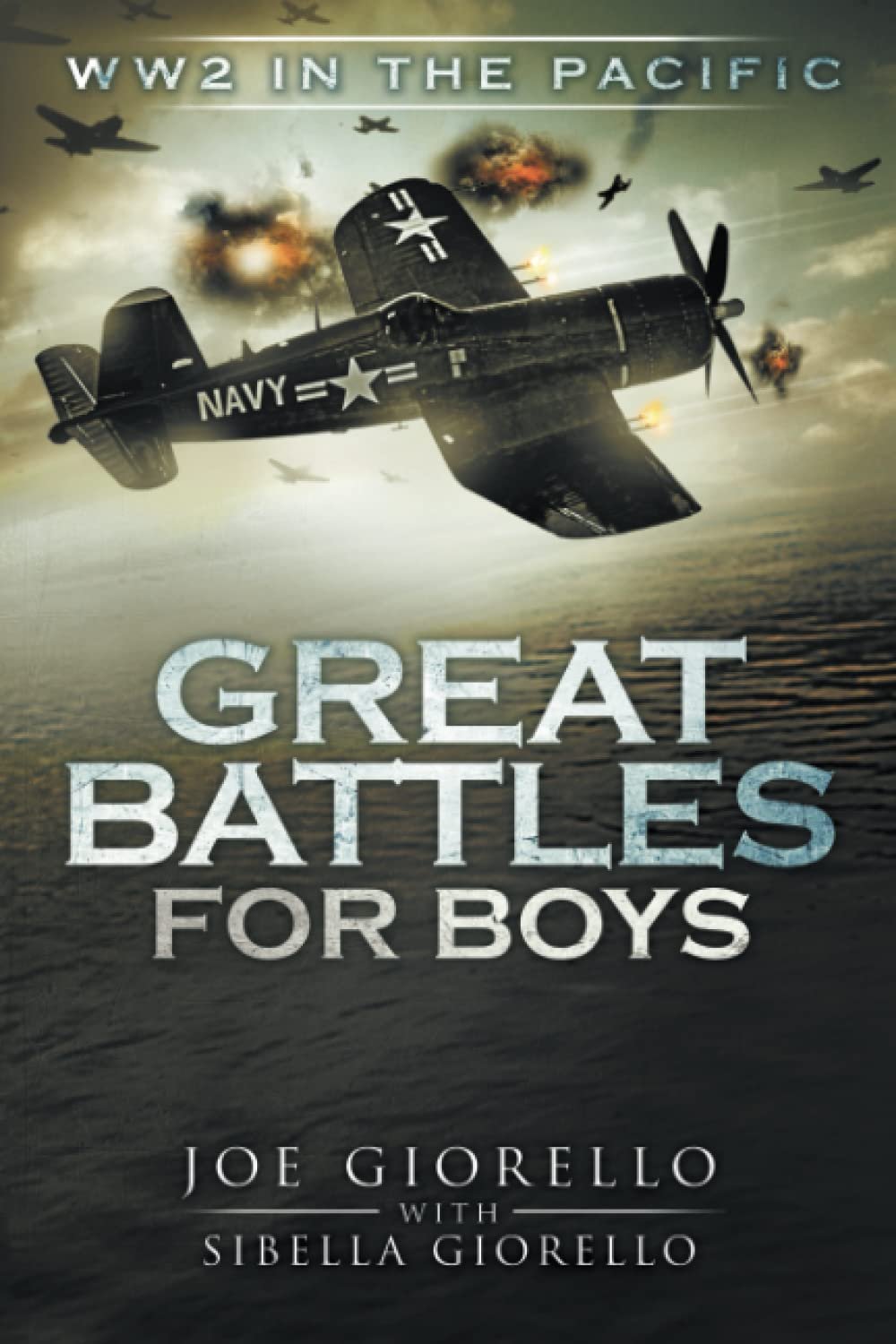
Review of Great Battles for Boys: WW2 Pacific
As a history enthusiast and a parent, the title Great Battles for Boys: WW2 Pacific by Joe Giorello immediately piqued my interest. Not only does it promise to transport young readers to the heart of some of World War II’s most pivotal moments, but it also aims to do so in a way that resonates deeply—turning reluctant readers into passionate historians. Upon diving into this engaging narrative, I found myself captivated not just as a blogger, but as a lifelong learner eager to dig into our past.
Giorello’s book chronicles the gripping tales of the Pacific Theater during WWII, starting from the days of the Flying Tigers to the calamitous attack on Pearl Harbor and beyond. Each chapter is structured to highlight key battles and figures, making it a perfect entry point for young readers. The author excels at weaving historical facts with vivid storytelling. This isn’t merely a dry recitation of dates and events; it’s a breathless journey through trials and tribulations, courage and sacrifice.
What stood out most for me was Giorello’s conversational writing style. He employs short chapters, engaging anecdotes, and a plethora of historical photos that make the text visually arresting. It feels as if he’s sitting across from the reader, sharing stories over a campfire. Additionally, the inclusion of notable figures and lesser-known tales adds layers of depth to the narrative, inviting readers to explore the human experience behind the statistics of war.

One particularly memorable part was the description of the Battle of Wake Island, dubbed "The Alamo of the Pacific.” The way Giorello captures the sheer bravery of those young American soldiers fighting against overwhelming odds left a lasting impression. It reinforced for me that history is more than just learning from the past; it’s about understanding the heart and soul of those who lived it. His lineup of incredible trivia, like the innovative tactics behind the Doolittle Raid, enriches the reading experience, making it not only informative but also exciting.
The testimonials from readers echo my sentiments. Many parents shared how their children, often reluctant to pick up a book, found themselves enthralled, glued to the pages as they learned about American history in an accessible format. I felt particularly connected to a review describing how the book sparked deep discussions between a tutor and a student, a reminder of how history can serve as a bridge for communication and understanding.
In conclusion, Great Battles for Boys: WW2 Pacific is more than just a book; it’s a gateway for younger readers to explore history in a dynamic and engaging way. I would wholeheartedly recommend it to parents looking to ignite a passion for history in their children or to educators seeking an impactful resource for young learners. It reminded me, too, that history is a living story—one that deserves to be shared, understood, and appreciated by all generations. Giorello’s ability to bring these moments to life presents a valuable opportunity not just to learn, but to reflect on the courage and sacrifices of those who came before us. This book could truly change the way a young person views the world and their place in it.