
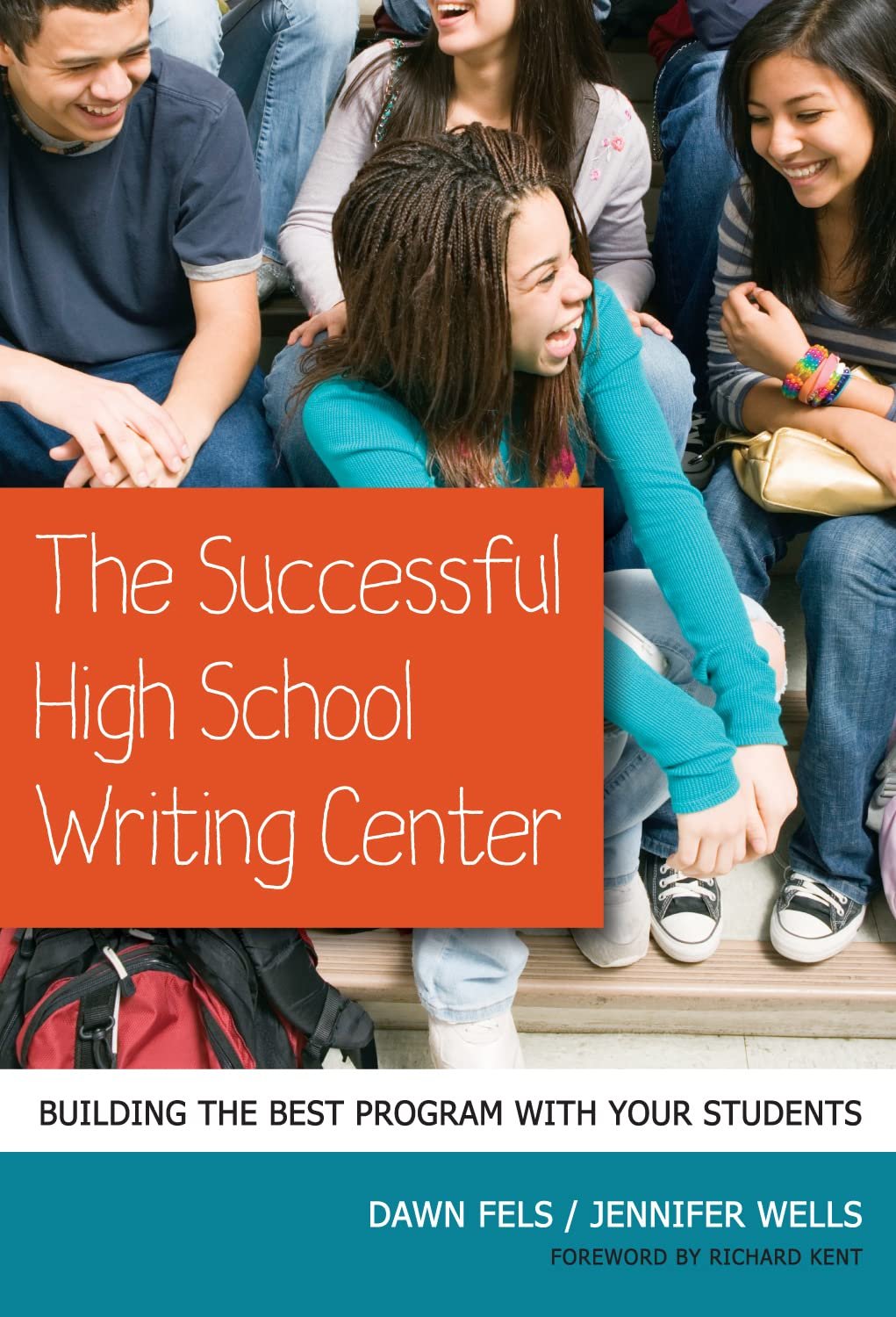
A Personal Reflection on The Successful High School Writing Center: Building the Best Program with Your Students
From the moment I stumbled upon The Successful High School Writing Center by Dawn Fels and Jennifer Wells, I felt an electric connection to the subject matter. As someone who’s deeply passionate about education and the transformative power of writing, this book resonated with me on multiple levels. It’s more than just a guide; it’s a warm invitation into the world of writing centers, a space where students’ voices can flourish, and where literacy is brought to life through collaboration.
The authors draw from an impressive pool of teachers and tutors who have dedicated their careers to unlocking students’ potential in high school writing centers. Through their insightful accounts, they explore the intersections of theory and practice, revealing innovative methods for educators who work with a diverse array of learners. The themes of collaboration and meaningful engagement shine brightly throughout, as the authors make a compelling case that writing centers are leaders in literacy education, especially for marginalized populations.
One of the standout features of the book is its rich tapestry of real-life experiences. I was particularly moved by the stories that showcase how writing centers serve as inclusive spaces where students can grapple with the nuances of literacy in all its forms. The narrative is sprinkled with vivid anecdotes, and I found myself nodding along as I read about the challenges students face and the creative solutions that educators implement. It’s a testament to the power of community, and it reminded me that effective teaching encompasses more than just imparting knowledge—it’s about fostering a supportive environment where students feel seen and heard.






Conversational and Engaging Style
The writing style is personable and engaging, making it feel like you’re having a heart-to-heart with a knowledgeable friend. Fels and Wells strike a balance between academic rigor and accessibility, ensuring both educators and casual readers can benefit from their insights. The pacing is just right; it invites you to linger over certain sections, allowing for reflection and digesting the information fully.
One testimonial that encapsulates the essence of this book comes from Richard Kent, who describes it as “a book that holds transformational power.” His words resonate deeply. This book isn’t just another educational resource; it’s a manual for empowering students and building connections. It inspires hope and reassures us that, with the right tools and strategies, we can make meaningful strides in literacy education.
In Conclusion
I wholeheartedly suggest The Successful High School Writing Center to educators, writing center directors, and anyone keen on transforming classroom dynamics through writing. It’s a vital resource that illustrates the importance of collaborative learning and offers practical strategies for implementation. More than that, it’s a source of inspiration that reminds us of the irreplaceable value of student voices in educational spaces.
For me, reading this book was a joyful reminder that writing is not just an academic exercise; it’s a powerful tool for expression and connection. Whether you’re seasoned in the field or just exploring, this book will enhance your understanding and appreciation of the literacy journey. Happy reading!