
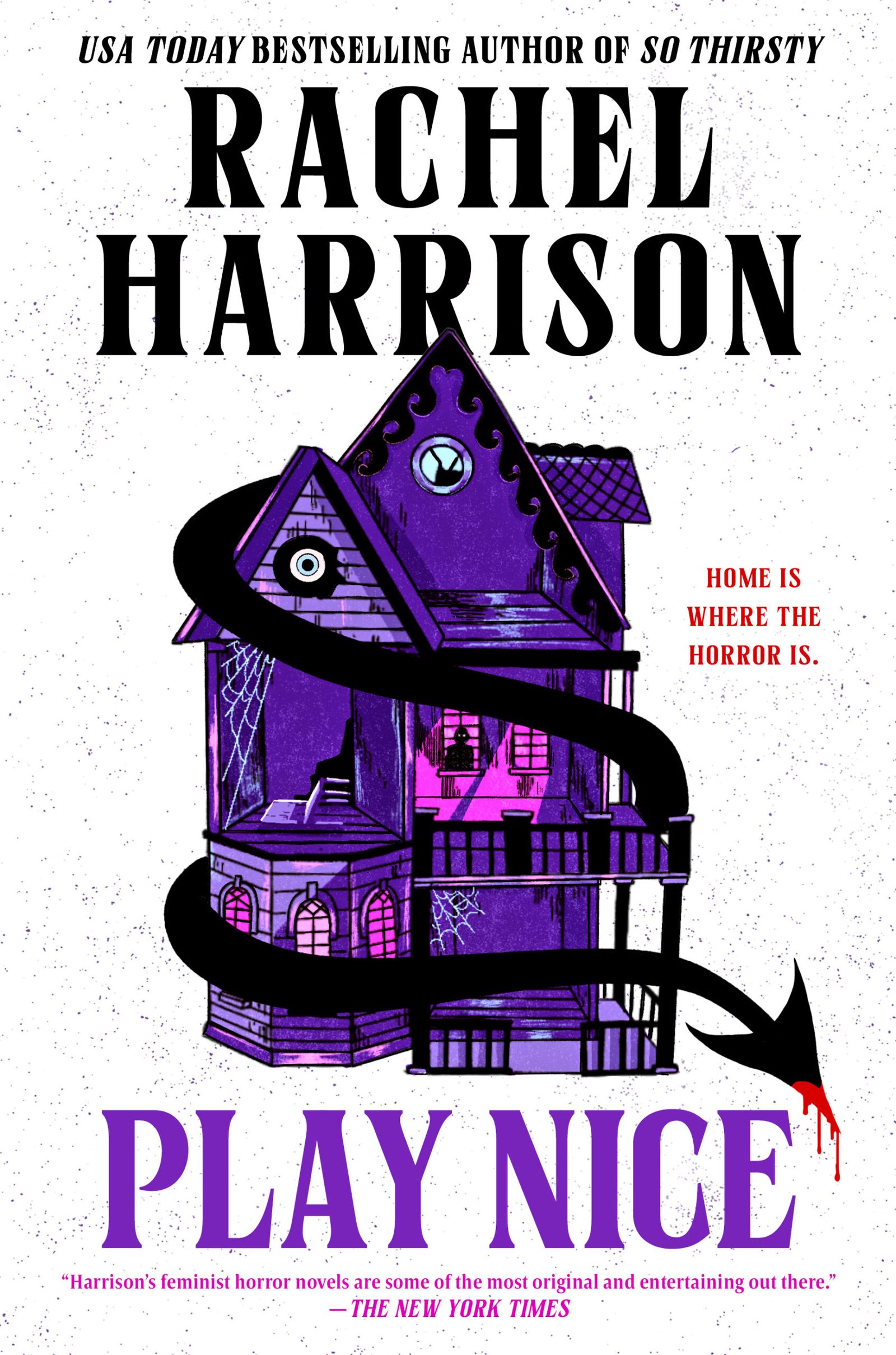
Play Nice: A Reflection on Empathy and the Complexity of Relationships
When I first heard about Play Nice by J. H. R. O’Connor, the intriguing premise immediately pulled me in. The idea of delving into the murky waters of familial bonds and psychological intrigue was simply too captivating to resist. As I flipped through the pages, I found myself not just a reader, but deeply invested in the lives of the characters, relishing every twist and turn crafted by O’Connor’s deft storytelling.
At its core, Play Nice navigates the complex terrain of relationships—between siblings, parents, and friends—highlighting the often-ignored nuances that make love both beautiful and challenging. The story follows the lives of two brothers whose seemingly idyllic childhood masks a web of manipulation and secrets. O’Connor artfully explores themes of loyalty, betrayal, and the fine line between love and ambition. As I immersed myself in their world, I couldn’t help but reflect on my own relationships; the emotional tension is palpable, and it resonates long after you’ve put the book down.
The characters are richly drawn, each with their own flaws and motivations that make them relatable and real. I found myself particularly drawn to the dynamic between the brothers. Their struggles and triumphs felt like a mirror reflecting my own familial experiences, both raising empathy and inciting tension. O’Connor’s ability to weave their inner conflicts—especially around expectations and rivalry—into the narrative kept me engaged and sometimes even heartbroken.




One of the standout features of O’Connor’s writing is his lyrical prose, which flows beautifully and lends itself well to the emotional weight of the storyline. The pacing felt just right; moments of tension were balanced with quieter reflections, allowing me to digest the emotional gravity without feeling overwhelmed. It’s a delicate dance that O’Connor performs expertly.
One quote that particularly struck me was, “We are the stories we tell ourselves,” which echoes throughout the book. This line lingered in my mind, prompting me to consider how often we shape our identities based on perception rather than reality. It’s a poignant reminder that the narratives we create—both internally and externally—can significantly impact our relationships and our understanding of each other.
In conclusion, Play Nice is a compelling read that will likely resonate with anyone who has navigated the treacherous waters of family and friendship. It’s a story about understanding, forgiveness, and ultimately, the human experience. I would recommend this book to readers who appreciate psychological depth woven into their narratives, especially those interested in character-driven stories that challenge conventional notions of family loyalty. As I closed the book, I found myself reflecting on my own connections, feeling grateful for the doses of honesty and empathy that O’Connor deftly captures. If you’re looking for a thought-provoking journey, Play Nice might just be your next great read.