
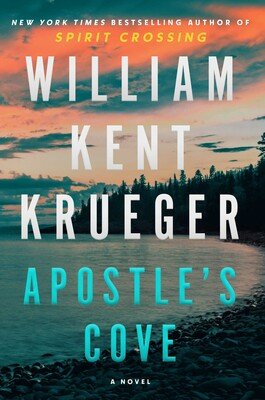
A Journey Through the Shadows in Apostle’s Cove
In a world where the burden of past mistakes can haunt both the innocent and the guilty, Apostle’s Cove, the latest installment in William Kent Krueger’s Cork O’Connor series, resonates deeply with anyone who has grappled with the complexities of justice and redemption. I found myself reaching for this book, eager to dive back into Krueger’s richly textured storytelling and the familiar sense of place that has captivated me in previous entries. With Cork wrestling his conscience over a decades-old conviction, I knew I was in for a thought-provoking journey that would leave me questioning the very nature of truth.
At the heart of Apostle’s Cove is Cork O’Connor, a retired sheriff whose past is now entangled in the murky waters of a wrongful conviction. Twenty years earlier, Axel Boshey, a Ojibwe man, was imprisoned for murder, and now, with doubts resurfacing about his guilt, Cork is drawn into a moral reckoning. The opening line from his daughter, “Dad, I’m pretty sure you sent an innocent man to prison,” hits hard—it’s a gut punch that sets the tone for Cork’s introspective quest for justice and self-forgiveness.
Krueger excels at weaving Native American themes throughout his narrative, honoring the Ojibwe culture while simultaneously addressing the harsh realities of racism. As Cork navigates his mixed heritage, he faces skepticism on the reservation, complicating his role as an emissary for justice. Characters like Sam Winter Moon and Henry Meloux serve as guiding lights, offering wisdom that feels authentic and poignant. The inclusion of these elders not only deepens the narrative but also highlights the importance of community ties and cultural heritage in the pursuit of truth.



Amid the suspenseful plot, Krueger doesn’t shy away from showing the cruelty present in human nature. The Windigo, a mythological figure embodied by Cork’s grandson, Waaboo, adds an element of supernatural intrigue, although I felt it overshadowed the real monster in this story: the prejudice and wrongful actions of individuals. This thoughtful layer illuminates the idea that sometimes, the greatest threats arise from within our own society rather than the myths we let haunt us.
I was particularly struck by Krueger’s writing style—it’s crisp, evocative, and imbued with a sense of urgency that propels the narrative forward while allowing for ample character development. The pacing is brisk, ensuring that readers remain engaged without losing sight of the profound themes at play.
One memorable moment that resonated with me was Cork reflecting on the weight of his past actions. It reminded me that justice often remains an elusive concept, shaped by our perceptions and biases. This sense of ambiguity is what makes Apostle’s Cove such a compelling read; it challenges us to question what we believe to be true and just.
In conclusion, Apostle’s Cove is not just a mystery; it’s an exploration of conscience, cultural identity, and the lingering impacts of choices made long ago. I believe fans of Krueger’s work, as well as those interested in nuanced narratives about justice and redemption, will find much to appreciate here. It’s a book that invites us not only to explore the depths of its characters but also to reflect on our own lives and the truths we hold. Reading this captivated me and left me pondering well after the final page—what do we truly do with the truth?
Discover more about Apostle’s Cove (Cork O’Connor, #20) on GoodReads >>