
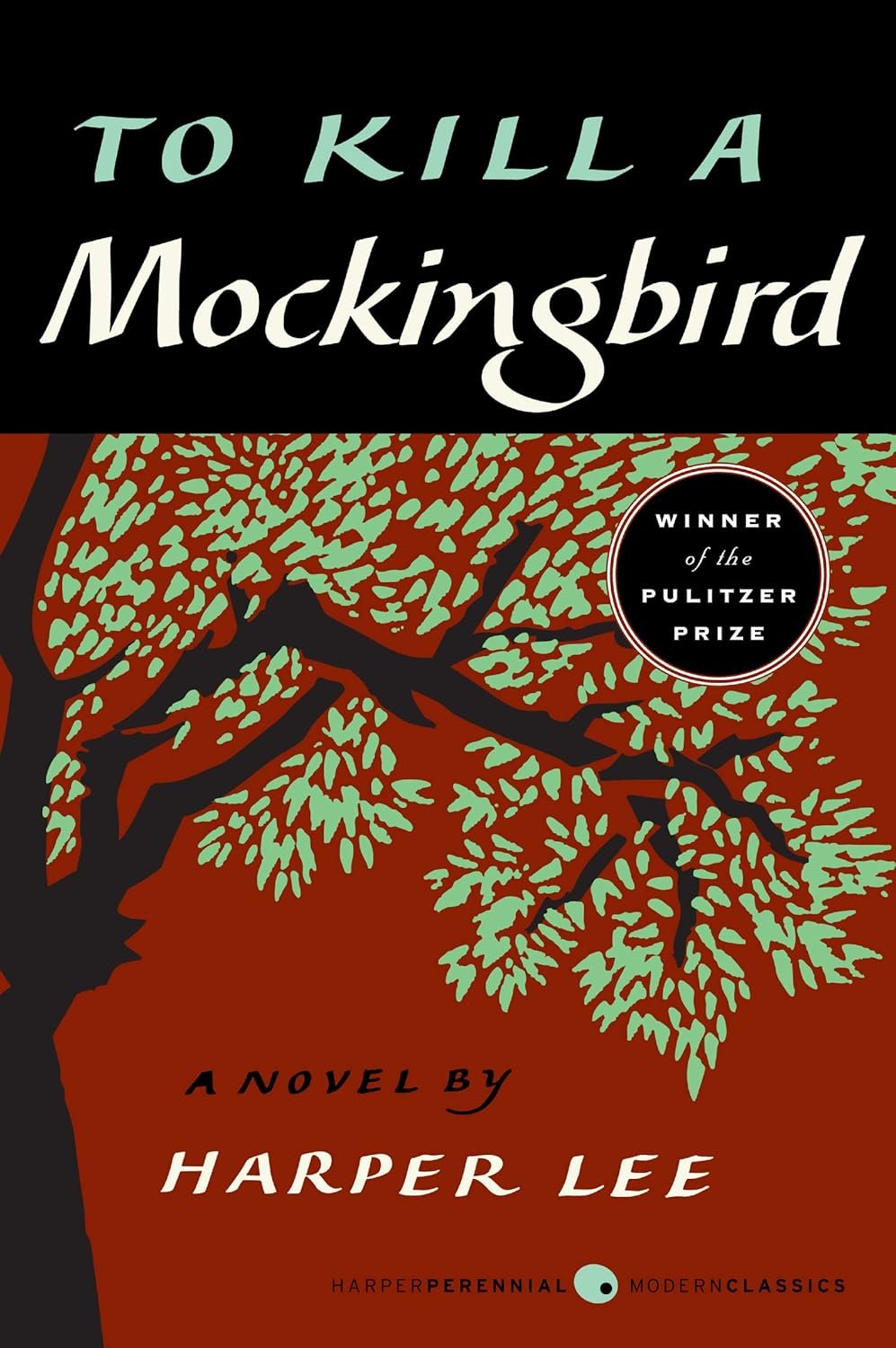
Book Review: To Kill a Mockingbird by Harper Lee
As I dove into Harper Lee’s To Kill a Mockingbird, I was immediately reminded of the first time I encountered its powerful themes and unforgettable characters. This book has a magical way of pulling readers into its world, where childhood innocence clashes with the harsh realities of social injustice. As I revisited the story, I found the narrative just as captivating and poignant as it was during my first read, reminding me of why it is celebrated as one of America’s best-loved novels.
Set in the Deep South during the 1930s, the story unfolds through the eyes of Scout Finch, a curious young girl navigating the complexities of morality, prejudice, and empathy. Lee beautifully captures the essence of childhood, wrapping it around the more severe themes of racial injustice sparked by the trial of Tom Robinson, a black man accused of raping a white woman. Through the steady guidance of her father, Atticus Finch—a moral beacon and compassionate lawyer—we witness the painful lessons of humanity, justice, and the stark reality of societal bias.
What struck me most this time was Lee’s masterful writing style, which sits delicately at the intersection of simplicity and depth. The prose flows effortlessly, immersing readers in the sights and sounds of Maycomb, Alabama. It’s accessible for younger readers but also rich enough for adults to savor its layers of meaning. Lines that stuck with me include Atticus’s profound advice to Scout: “You never really understand a person until you consider things from his point of view… Until you climb into his skin and walk around in it.” This encapsulates the book’s fervent call for empathy and understanding.





Revisiting characters like Boo Radley and Tom Robinson evoked a mix of nostalgia and heartbreak. Boo, once a shadowy figure of childhood lore, transforms into a symbol of misunderstood kindness, while Tom’s unjust fate serves as a haunting reminder of societal flaws that sadly persist. The scenes involving these characters left an indelible mark on my heart, challenging me to confront uncomfortable truths about humanity’s capacity for both cruelty and compassion.
Lee’s portrayal of complex characters is particularly admirable. Each figure in the story—from Scout’s playful innocence to Atticus’s unwavering resolve—invites introspection. I was struck by the nuanced discussions around morality and societal roles that emerge, especially through the eyes of a child who grapples with what she sees.
For anyone seeking a profound narrative that intertwines integral themes of justice, empathy, and growth, To Kill a Mockingbird is a must-read. It resonates beyond its pages, inviting discourse on the moral dilemmas that echo throughout time. This book challenges us to reflect not only on the injustices present in its narrative but also on those that continue to shape our realities today.
Ultimately, revisiting this classic was an enriching experience, deepening my understanding of humanity while reminding me of the power of literature to ignite compassion. Whether you’re revisiting or reading it for the first time, I encourage everyone to engage with this timeless tale—it’s a journey worth taking.